41 reading and understanding food labels
Understanding Food Labels | The Nutrition Source | Harvard T.H. Chan ... Understanding Food Labels The information on food labels is intended to help consumers become savvy about their food choices. The front, back, and sides of a package are filled with information to inform us what the food contains and to provide guidance in making healthier selections of processed foods. Understanding food labels - Canada.ca Understanding food labels. Food labels, nutrition facts tables, serving size, ingredients, % daily value, nutrition claims. Services and information. Nutrition facts tables. How to use, what is in them, foods that don't have a nutrition facts table. Serving size.
A Guide to Reading Food Labels - University of Rochester 27-02-2013 · A Guide to Reading Food Labels Reading food labels can help you make wise food choices. Most foods list nutrition information on the package label, called Nutrition Facts. These facts can help you compare foods and choose the healthiest option. Sample Label 1 Serving Size Calories . Limit These . Nutrients . Get Enough of These Nutrients 5 ...

Reading and understanding food labels
Reading and understanding food labels - Human Kinetics Reading and understanding food labels This is an excerpt from Fitness and Wellness in Canada With Web Study Guide-Loose-Leaf Edition by Sarah J. Woodruff Atkinson,Carol K. Armbruster,Ellen M. Evans & Catherine M. Sherwood-Laughlin. Under the Food and Drugs Act, Health Canada requires labeling for all packaged foods. How to Read Food Labels Without Being Tricked - Healthline Nutrition labels state how many calories and nutrients are in a standard amount of the product — often a suggested single serving. However, these serving sizes are frequently much smaller than what... A Guide to Reading Food Labels - University of Rochester Make healthy choices easier by understanding the sections of the Nutrition Facts label. 1. Serving Size. The serving size is a measured amount of food. In the sample label, the serving size is one cup, and there are two servings per container. If you ate the whole container, you would eat two cups, which doubles the calories and other nutrient ...
Reading and understanding food labels. Understanding Food Labels Understanding Food Labels The only way to prevent a serious allergic reaction is to avoid the food allergen. Reading every food label, every time is one of the best ways to ... read the label at the store, when unloading your groceries, and before serving the food—to triple-check that a food is safe. Others use a system of colored stickers on ... How To Read A Food Nutrition Label | Gobble For example, the USDA recommends that most people get 1,000 mg of calcium per day. So, if a serving of food contains 100 mg of calcium, this means the serving contains 10% Daily Value of calcium. The same applies to items on the food label you may want to avoid, like fat and cholesterol. For example, 15 grams is 20% Daily Value for total fat. how to understand food labels - Eat For Health how to understand food labels What to look for… Don’t rely on health claims on labels as your guide. Instead learn a few simple label reading tips to choose healthy foods and drinks, for yourself. You can also use the label to help you lose weight by limiting foods that are high in energy per serve. 100g Column and Serving Size How to understand food labels - Eat For Health The Nutrition Information Panel on a food label offers the simplest and easiest way to choose foods with less saturated fat, salt (sodium), added sugars and kilojoules, and more fibre. It can also be used to decide how large one serve of a food group choice or discretionary food would be and whether it's worth the kilojoules.
How to Understand and Use the Nutrition Facts Label | FDA You can use the label to support your personal dietary needs - look for foods that contain more of the nutrients you want to get more of and less of the nutrients you may want to limit. Nutrients... how to understand food labels - Eat For Health Food with less than 400mg per 100g are good, and less than 120mg per 100g is best. Ingredients Listed from greatest to smallest by weight. Use this to check the first three ingredients for items high in saturated fat, sodium (salt) or added sugar. Other names for ingredients high in saturated fat: Animal fat/oil, beef fat, Reading Food Labels | ADA - American Diabetes Association The Nutrition Facts labels on foods are really the key to making the best choices. We'll cover the basics so that these labels make shopping easier for you. You've heard it all. From carb-free to low-carb, to whole and empty carbs, it's hard to know what it all means. Blood sugar highs and lows aren't always easy to understand. How to read a food label - Healthy Kids How to read a food label. Choosing foods in the supermarket can be difficult, so here's a handy guide to help you make decisions. Primary school. The five food groups; Fruit; Vegetables; Water; Calcium; Mindful munching; DIY snack ideas; How to read a recipe; Food label fun; Lunch box reviews; Quiz: who am I?
PDF Healthy Eating Workshop Reading and understanding food labels Reading and understanding food labels Workshop outline (60 minutes) 1. Welcome (5 minutes) 2. Whole versus processed foods ( 10 minutes) 3. Packaged Foods - how do you choose? (30 minutes) 4. Let's Practice (10 minutes) 5. Closing (5 minutes) Suggested handout: How to Read a Nutrition Facts label (see Page 2 of the above linked handout) Understanding Food Labels - Safe Teens The Food and Drug Administration (FDA) and the Department of Agriculture (USDA) decide what goes on food labels. All food labels must show the same health information. It is impossible for food companies to lie on their labels. For example, if your favorite yogurt says "low fat" then it must meet strict guidelines to have that label. It is ... How To Read Food and Beverage Labels | National Institute on Aging How to read the Nutrition Facts label The U.S. Food and Drug Administration (FDA) requires a Nutrition Facts label on most packaged foods and beverages. At the top of the Nutrition Facts label, you will find the total number of servings in the container and the food or beverage's serving size. Reading and Understanding Garden Fertilizer Labels 15-06-2022 · You want to make sure your plants are getting the nutrition they need to do you proud, but there are so many choices when it comes to selecting a fertilizer. How do you know what is really in the bag? There are certain rules that all fertilizer makers must follow when they label their products and understanding these rules can make comparing fertilizers much easier.
Oreos Nutrition Facts | Ruidai with regard to Nutrition Label For Oreos22678
Understanding Ingredients on Food Labels | American Heart ... Food labels are an important source of information about calories and the nutritional value of the foods you eat, a crucial tool in building a heart-healthy diet. Food labels are an important source of information about calories and the nutritional value of the.
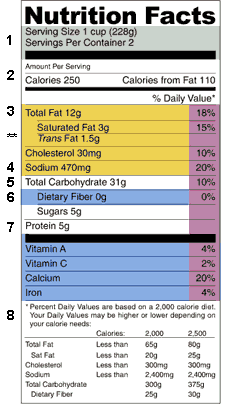
Food Labels — School of Medicine University of Louisville
PDF How to Read the Food Label - Risk Services Look for low- sodium foods with less than 140 mg per serving. Track the total amount you eat. Fiber. Aim for 25 to 38 grams of fiber per day. Sugars: Limit added sugars. Some vitamins and minerals may be listed with DV in one serving. Percent Daily Values (DV) tell you how much you should be eating based on a 2,000 or 2,500 calorie diet.
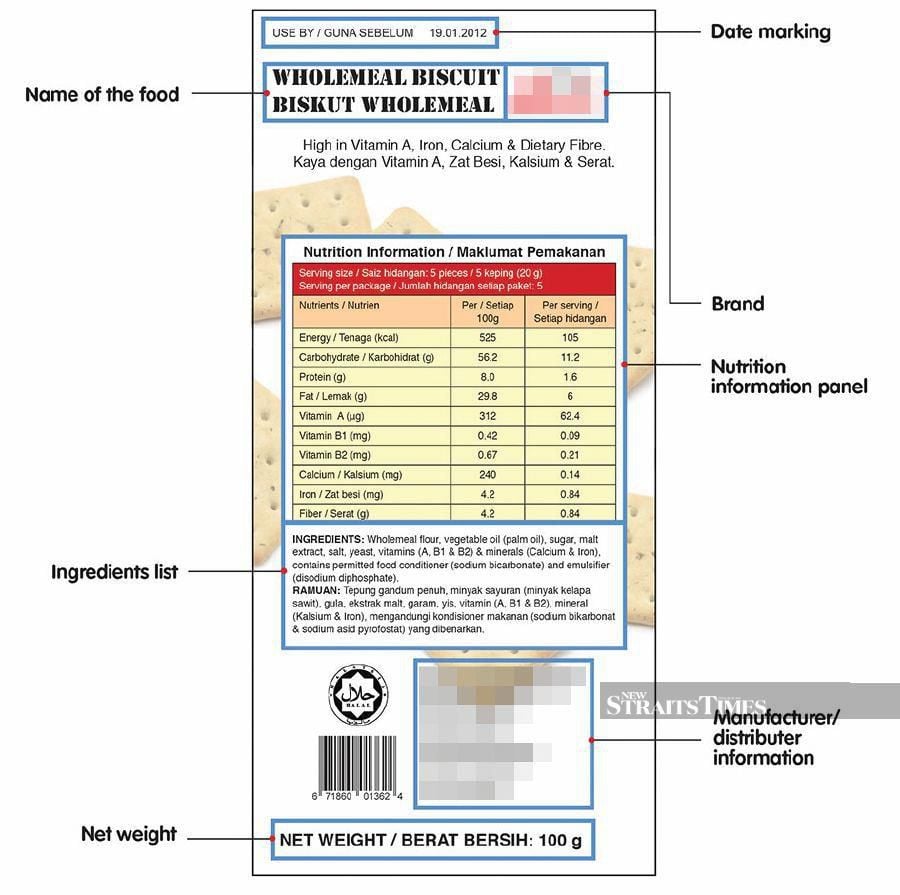
Lable Reading - Reading food labels can help you make the best choices. - Janel Star
Food Labels | CDC If you eat the whole thing, you are eating 8 times the amount of calories, carbs, fat, etc., shown on the label. Total Carbohydrate shows you types of carbs in the food, including sugar and fiber. Choose foods with more fiber, vitamins, and minerals. Choose foods with lower calories, saturated fat, sodium, and added sugars. Avoid trans fat.
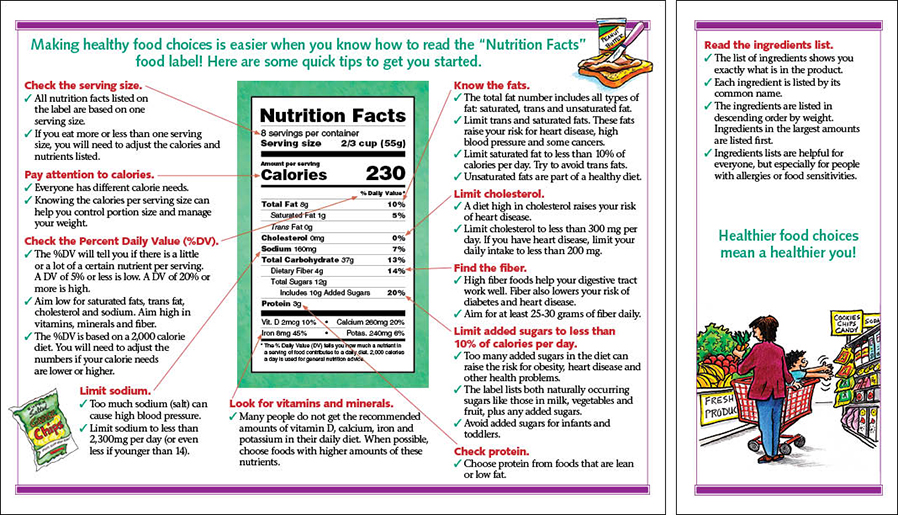
Reading Food Labels: 10 Quick Tips-journeyworks.com
Food label reading and understanding in parts of rural and urban ... The reading and understanding of nutrition information on food packages has been shown to improve food choices and instill healthy eating habits in individuals. Objective: The aim of this study was to describe the prevalence of food label usage and understanding among urban and rural adults in Zimbabwe and its association with demographic and ...
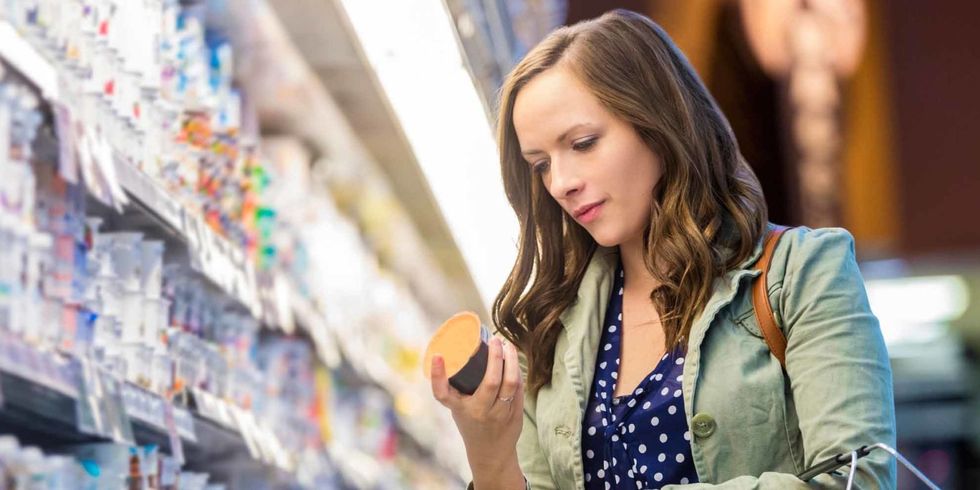
5 Helpful Tips When Reading Food Labels - How to Read Food Labels
Food labels - NHS Most pre-packed foods have a nutrition label on the back or side of the packaging. These labels include information on energy in kilojoules (kJ) and kilocalories (kcal), usually referred to as calories. They also include information on fat, saturates (saturated fat), carbohydrate, sugars, protein and salt.
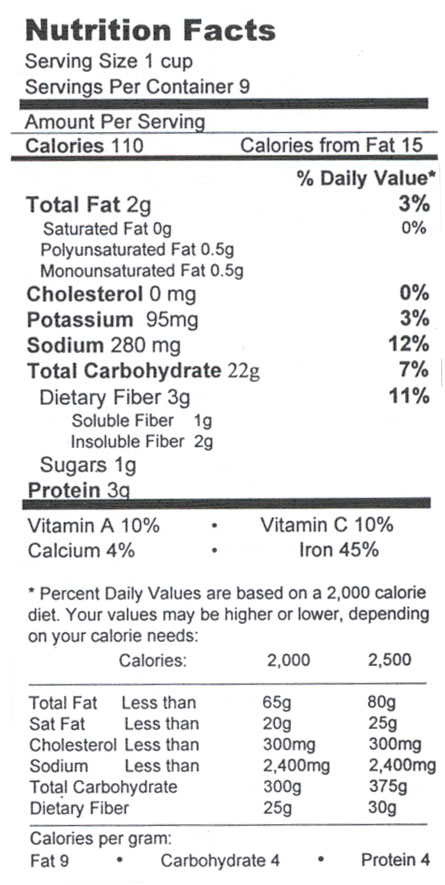
Reading Food Labels
Why it is important to read and understand food labels The food label will provide information on what you are putting into your body by reading the ingredients and how much you are eating by reading the nutrition facts. For most people with diabetes it is ideal to maintain a healthy weight. In order to do this, we must understand what nutrients we are putting in our meals.

Berry Good Advice for Gardeners | Espoma
Understanding Ingredients on Food Labels | American Heart … Food labels are an important source of information about calories and the nutritional value of the foods you eat, ... Kris-Etherton said there’s no reason to complicate your label reading to this degree. ... Understanding Food Nutrition Labels Understanding Ingredients on Food Labels ...

Dazzling Wings: 2013
Understanding Food Nutrition Labels | American Heart Association Learn what to look for on the label. 1 - Start with the serving information at the top. This will tell you the size of a single serving and the total number of servings per container (package). 2 - Next, check total calories per serving and container.

Reading Food Labels | BeyondCeliac.org
The importance of reading and understanding food labels Importance of checking food label. As a consumer, one needs to make wise choices about the food we eat. This is where food labels come in. They help us make informed decisions towards choosing good nutrition and health. Knowing how to read food labels also assures that we get more value for our money and protects us from incorrect claims on the ...
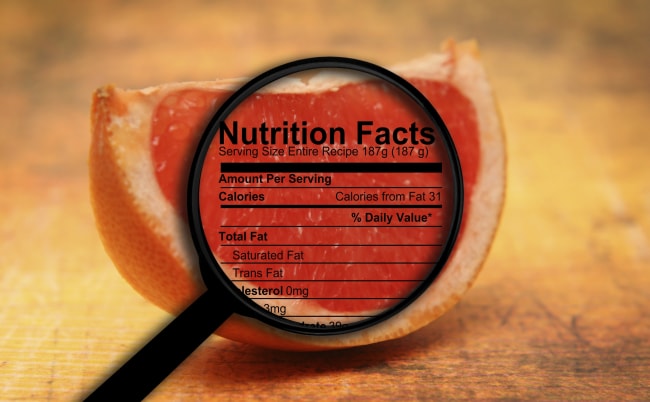
Week 7: Learn The Importance of Reading Food Labels
How to read food labels | healthdirect Home / Top Tips for Low Gi Living / Reading Food Labels Reading Food Labels To help work out the amount of carbohydrates (or number of exchanges) in a food and make low Gi choices, a basic understanding of food labels is important. Read more on …
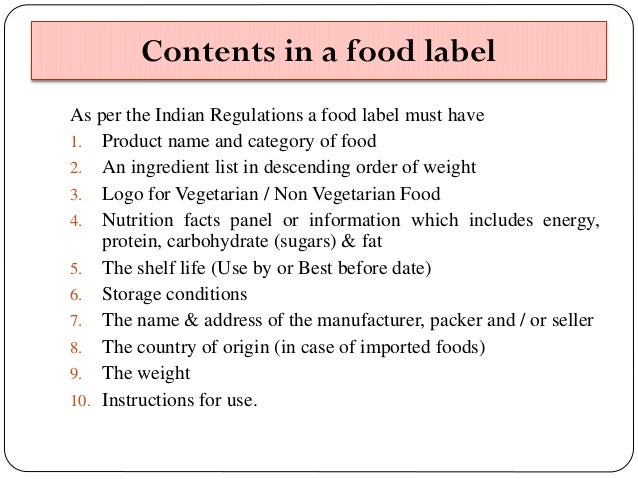
food packaging and labeling
How to read food labels: MedlinePlus Medical Encyclopedia Always check the serving size first. All the information on the label is based on the serving size. Many packages contain more than 1 serving. For example, the serving size for spaghetti is most often 2 ounces (56 grams) uncooked, or 1 cup (0.24 liters) cooked. If you eat 2 cups (0.48 liters) at a meal, you are eating 2 servings.

Reading Food Labels | ADA 23-04-2022 · Reading Food Labels. Understanding Food Labels. It’s time to decode those food claims. Trying to figure out nutritional information on labels and packaging isn’t easy. The good news is that we can help. Untangle packaging claims. If you get tripped up on food content claims, you’re not alone.

Persian cat price in Kolkata,india
How to read food labels | healthdirect the country where the food was produced; Understanding nutrition claims. Some labels tell you what percentage of the recommended daily intake is provided by 1 serve of the product. This helps you to work out how the food fits into a balanced diet. Read more about recommended daily intakes for adults and recommended daily intakes for children.
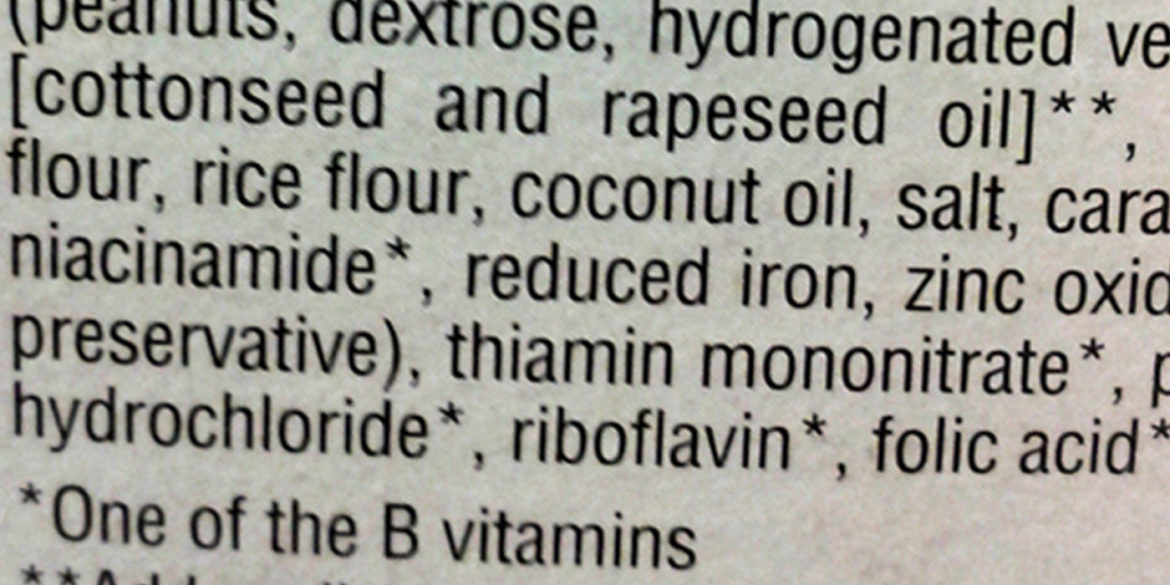
Reading Food Labels - nutritiousndelicious
Food label reading: Read before you eat - PMC In our study, 57.7% consumers "don't understand" the food labels, whereas 39.7% "partially understand" the food labels information. Nutrition labels typically contain information on calories, serving size, and amounts and/or daily values of several macronutrients, vitamins, and minerals (e.g., fats, carbohydrate, and calcium).
Interpret the reading of food labels and its
How to Understand and Use the Nutrition Facts Label | FDA 25-02-2022 · The following label-reading skills are intended to make it easier for you to use the Nutrition Facts labels to make quick, informed food decisions to help you choose a healthy diet.

Understanding How to Read Food Labels
A Complete Guide to Reading and Understanding Nutrition & Ingredient Labels At the end of the day, having more knowledge about the foods you consume gives you more power to control your health. When buying foods, read the label, do a little inner translating, and ignore the health claims on the front. Health claims such as "diet," "natural," or "low-fat," may still be present on products that are loaded with sugar.
Post a Comment for "41 reading and understanding food labels"