41 how to read japanese nutrition labels
Processed Foods: Why Are Instant Noodles Unhealthy? | Health Plus Instant noodles were first made in Japan in 1958. The world’s first-ever instant noodles were invented by Momofuku Ando, the Taiwanese-Japanese inventor and businessman who founded Nissin Food Products Co. Ltd. Since its invention, instant noodles have become a well-loved convenience food for millions of consumers all over the world. › nutritionsource › vitamin-b1Thiamin (Vitamin B1) | The Nutrition Source | Harvard T.H ... In 1884, a Japanese physician noted very high rates of illness and death among Japanese sailors eating a limited diet of only rice for months while at sea. When given a more varied diet with whole grains, meats, beans, and vegetables, rates of illness and death nearly disappeared.
Tokyo Guide: How To Read Japanese Food Labels Micronutrients are usually expressed using English letters, numbers and katakana so should be pretty easy to understand. The main difference is that many labels, especially in the US, measure in percent of daily recommended values, whereas Japan does it in straight milligrams. Generally with micronutrients the more there are the better.

How to read japanese nutrition labels
Japanese Health and Nutrition information Combine vegetables, fruits, milk products, beans and fish in your diet. ・ Eat plenty of vegetables and fruits everyday to get vitamins, minerals and dietary fibers. ・ Drink milk and eat green/yellow vegetables, beans, and small fish to get a sufficient amount of calcium intake. Avoid too much salt and fat. ・ Avoid salty foods and reduce ... English translation of Japanese food label (soy milk) | Reading food ... How to read and understand food and nutrition labels in Japan. S Surviving in Japan Japan Guides Peaches Blueberry Seeds Mountain Japanese Vegetables Fruit Health Japanese Bayberries also known as myrica rubra, mountain peaches, and yangmei. Sweet, a little sour, with seeds in the middle. K Kylene O'Connor Okinawan Market Foods Go To Japan Clearer calorie calculations: Japan updates nutrition labelling rules ... This is significant as it means consumers who read nutrition labels will now have a much clearer idea of just how much of the carbohydrate content in the food products being purchased are contributing to sugar and caloric content - items they tend to want to avoid if in pursuit of healthier diets. ... Top tips for halal F&B brands looking to ...
How to read japanese nutrition labels. How to read a label | NSW Food Authority The ingredients list and Nutrition Information Panel tell us about allergens, additives, fats and the quantity of basic nutrients. What's on a food label Learn about the different sections of a food label. Country of origin The country or countries where a food was grown, manufactured or packaged must appear on the label. Directions for use Japanese Decoded: Nutrition Labels - Savvy Tokyo On the top left, we see the nutritional information (栄養成分表, eiyou seibun you), which contains all the basic nutrition facts about the product, such as grams of carbohydrates, protein, and fat. On the middle left, above the bar code, we see a list of common allergens, with those contained in these particular rice crackers highlighted in black. How to read seafood labels in Japan - Japan Living Guide You often see the lables of "生食用" (for raw food), "刺身用" (for sashimi), "加熱用" (for heating), "焼き魚用" (for grill) on seafood packaging in Japanese supermarkets. Here we explain the differences when purchasing the perfect seafood for your meal. For raw food (Namashokuyou) This lable literally means that you can eat it raw. Understanding of sodium content labeled on food packages by Japanese ... The Health Promotion Act defines the order and units of nutrients to be printed on food labels as follows: 1, total energy in kcal; 2, protein in grams; 3, total fat in grams; 4, carbohydrate in ...
Reading Nutritional Labels in Japan vs the US - Kokoro Care Packages The macronutrients included on Japanese nutritional labels are as follows: エネルギー (enerugī) translates literally to "energy" and refers to calories. This one is easy to identify because the number is followed by kcal. たんぱく質 (tanpakushitsu) is equivalent to protein. en.wikipedia.org › wiki › Human_nutritionHuman nutrition - Wikipedia Nutrition is taught in schools in many countries. In England and Wales, the Personal and Social Education and Food Technology curricula include nutrition, stressing the importance of a balanced diet and teaching how to read nutrition labels on packaging. In many schools, a Nutrition class will fall within the Family and Consumer Science (FCS ... Quick Guide: Know And Understand Food Allergies In Japan These are typically the "emergency reaction" foods, that can cause immediate anaphylaxis and should be avoided at all costs by those with allergies. えび ebi shrimp. かに kani crab. 小麦 komugi wheat. そば (蕎麦) soba buckwheat. 卵 tamago egg/egg derivatives. 乳 / 牛乳 nyu/gyunyu milk/dairy derivatives. 落花生 rakkasei ... My Dog Won't Eat Kibble. Now What? - American Kennel Club 17.05.2021 · When your picky dog turns down kibble, there are lots of other options. Fresh, human-grade dog food, delivered to your door, may be the best choice.
How to Read a Food Label: A Healthy Skeptic's Guide to the Buzzwords About a decade ago, Mr. Byrne joined forces with another California cowboy, Chris Donati, to form a network of like-minded ranchers across the American West. "We named our business SunFed Ranch ... › nutrition › salt-good-or-badSalt: Is It Healthy or Unhealthy? Nov 04, 2021 · Make sure to always check the labels and nutrition panels of packaged foods. They provide helpful product information, including the sodium content per serving. Salt: Is It Healthy or Unhealthy? 04.11.2021 · Salt is the most significant source of sodium in your diet. Also known as sodium chloride (NaCl), it comprises 40% sodium and 60% chloride. Today, the terms “salt” and “sodium” are often ... 11 Probiotic Foods That Are Super Healthy 06.01.2022 · Eating fermented foods with live probiotics can have powerful benefits for your body and brain. Here is a list of 11 super healthy probiotic foods.
Best Yellowfin Tuna Slice Simple Recipe | Yellowfin Tuna Factory, Indonesia Tuna Factory, Tuna ...
Reading Food Labels (for Parents) - Humana - Ohio The number of calories that's listed on the food label indicates how many calories are in one serving. Percent Daily Values Percent daily value is most useful for seeing whether a food is high or low in nutrients: A food with 5% or less of a nutrient is low in that nutrient. A food with 10%-19% of a nutrient is a good source of that nutrient.
number9dream - alexgoughdesign
The Ultimate Guide to Reading Food Labels in Japan Most labels similar to this type will then list total protein (たん白質), fat ( 脂質), carbohydrates (炭水化物), and sodium (ナトリウム), and some will list sugar, but many count sugar under the "carbohydrate" category and don't always split them so you can see how much of the carbs are sugars. It varies though.
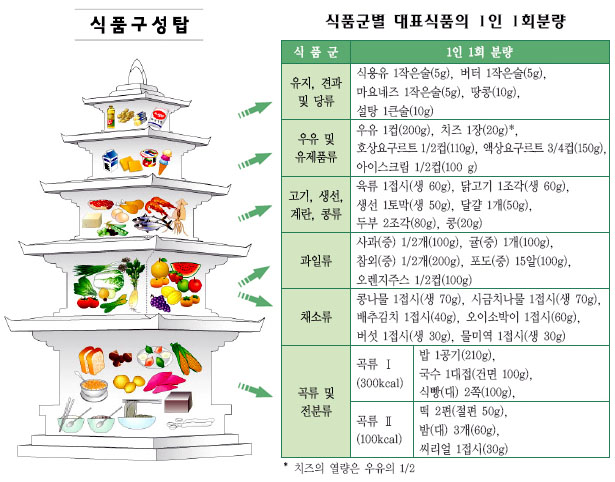
30-Day Challenge: Day #25 - Practical Application: Learn how to read Korean nutrition labels ...
Learn How to Read Supplement Labels With These Tips - CNET How to read dietary supplement labels. You will find the supplement facts label on the bottle or box of the supplement. Below, we've covered each area of a dietary supplement label so you'll know ...

RAW Food for Truth: Seaweed Salad
Japanese Supermarket Guide: Must-Know Phrases, Food Label Breakdown ... In Japan, it's pretty easy to find regular cow milk (牛乳), soy milk (豆乳), and almond milk (アーモンドミルク). Cow milk in Japan comes in a wide variety, from those fortified with iron (鉄) or calcium (カルシウム), to low-fat products (低脂肪). To check exactly how much fat your milk has, look out for the fat content label (乳脂肪分).

Why is it Hard to Lose Weight with PCOS? - PCOS and Nutrition
Food Allergies in Japan: How to Enjoy Traveling Safely with a Food ... Under Japanese law, most food packaging of a certain size must be labeled. Ingredients are typically listed on the reverse or side of a package. Look for the phrase 原材料名 - "product ingredients" - to start reading for allergens.
Post a Comment for "41 how to read japanese nutrition labels"